The company’s leader travels to Stanford to learn: leaders go first
Recently, company leader Jason Hou set out for Silicon Valley in the United States to begin a study visit at Stanford University. The trip was more than a journey; it sent a strong signal that, in a period of rapid change, the ability to learn is an organization’s most enduring source of competitiveness.
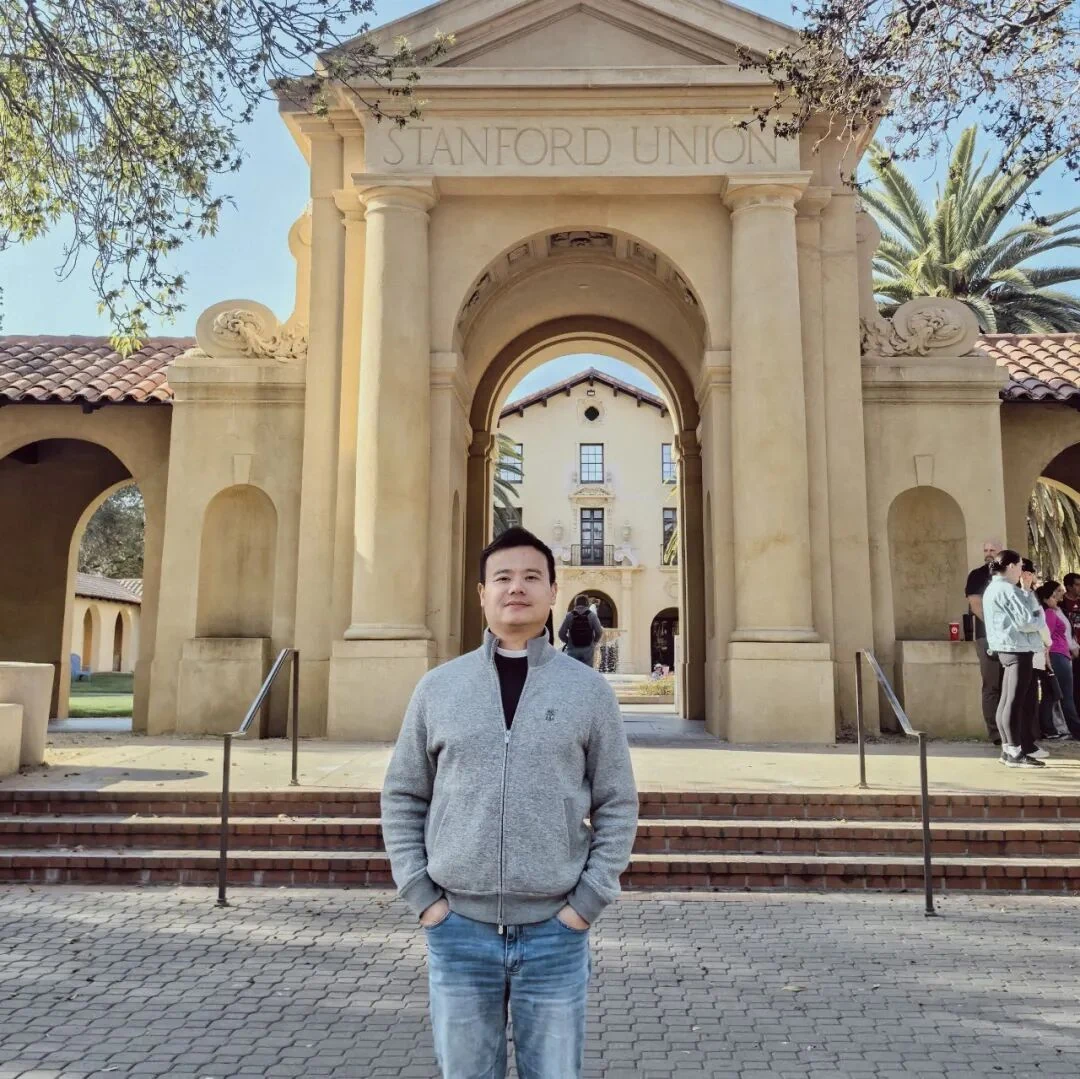
Why Stanford
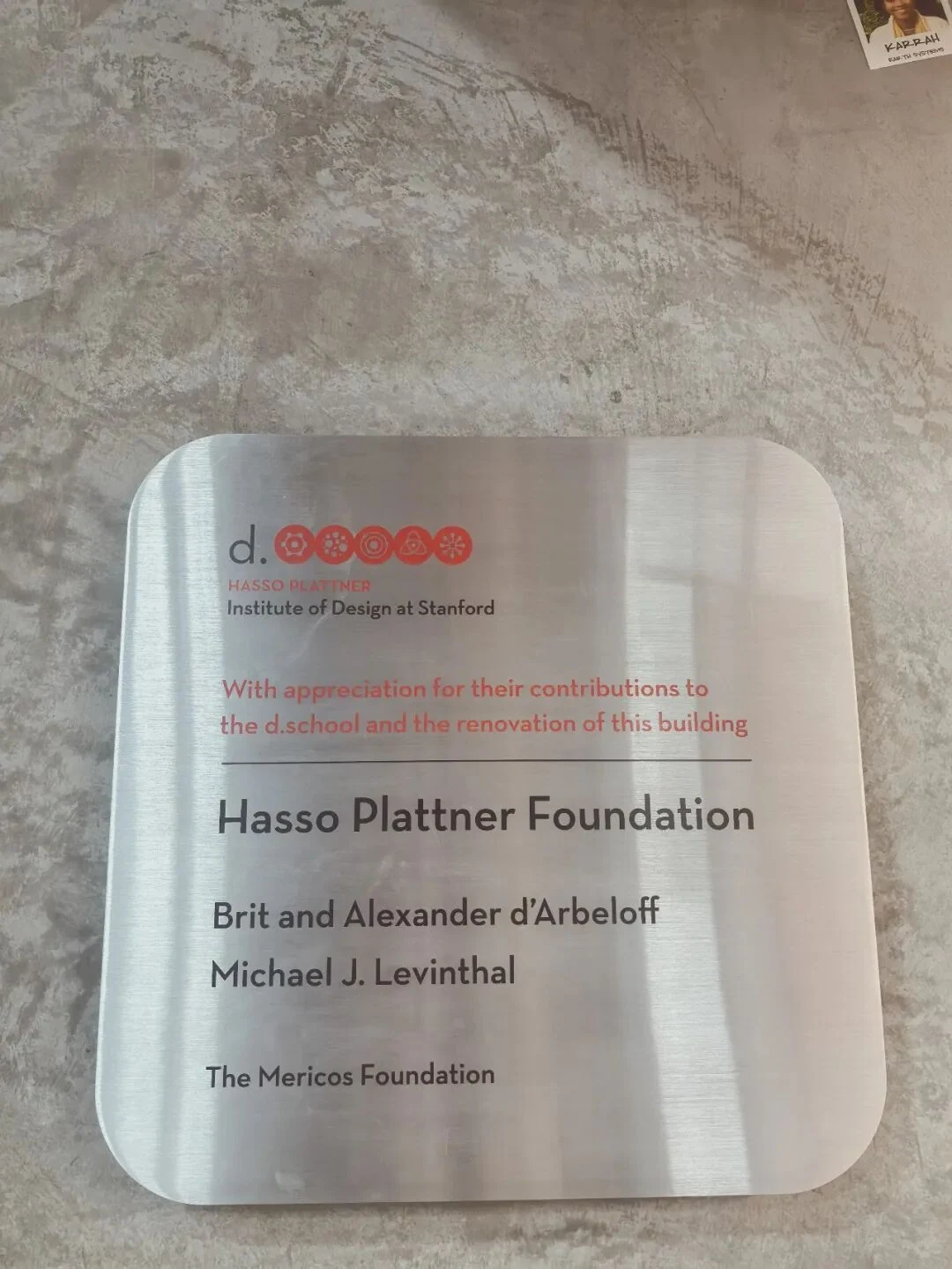
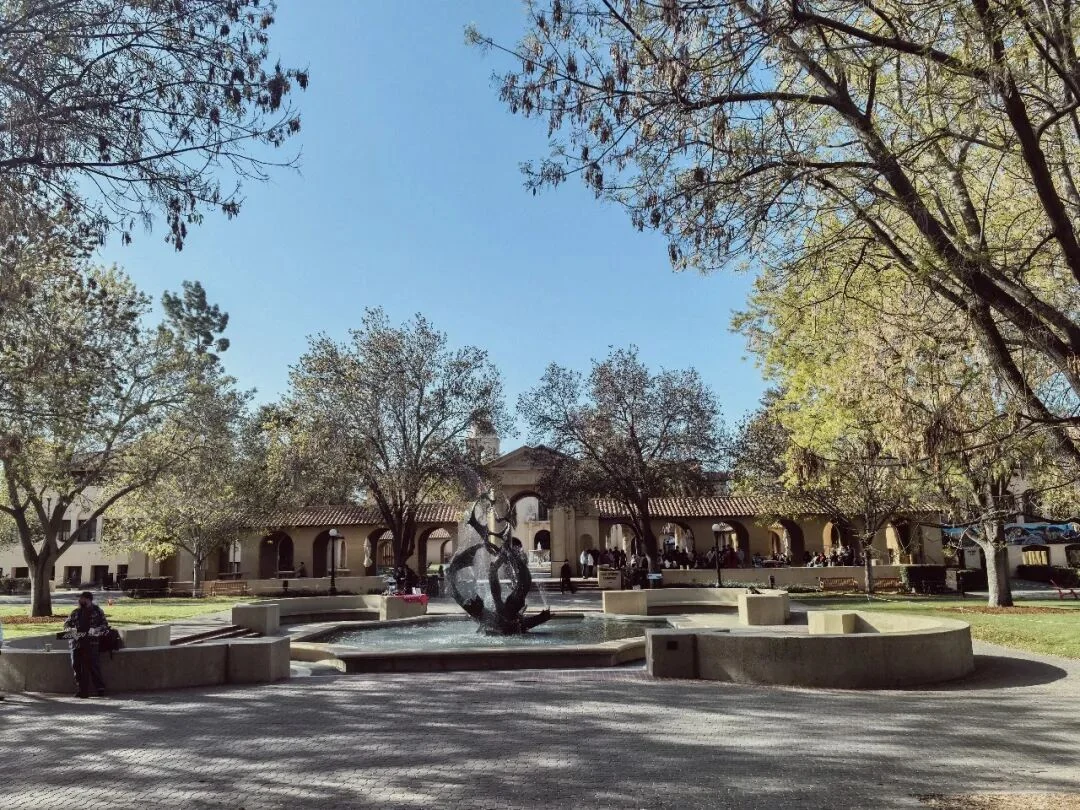
Stanford University is not only one of the world’s leading universities, but also a source of innovative thinking and a cradle of technological change. From HP and Google to Instagram and Snapchat, many companies that changed the world grew from this community.
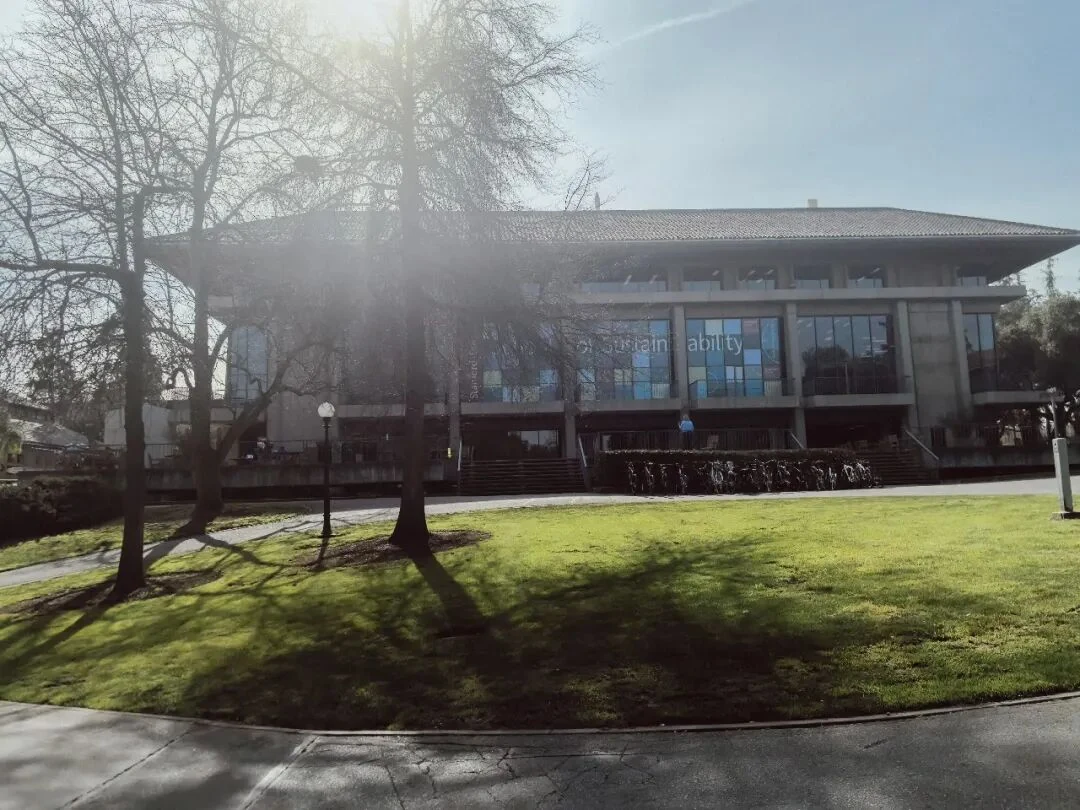
According to the itinerary described in the original article, Jason Hou would visit classrooms, laboratories, and innovation centers and exchange views with professors, scholars, and entrepreneurs to learn about leading ideas in management and technology. Before departing, he told the team, “We need to look from a higher vantage point to understand where the future is heading.”
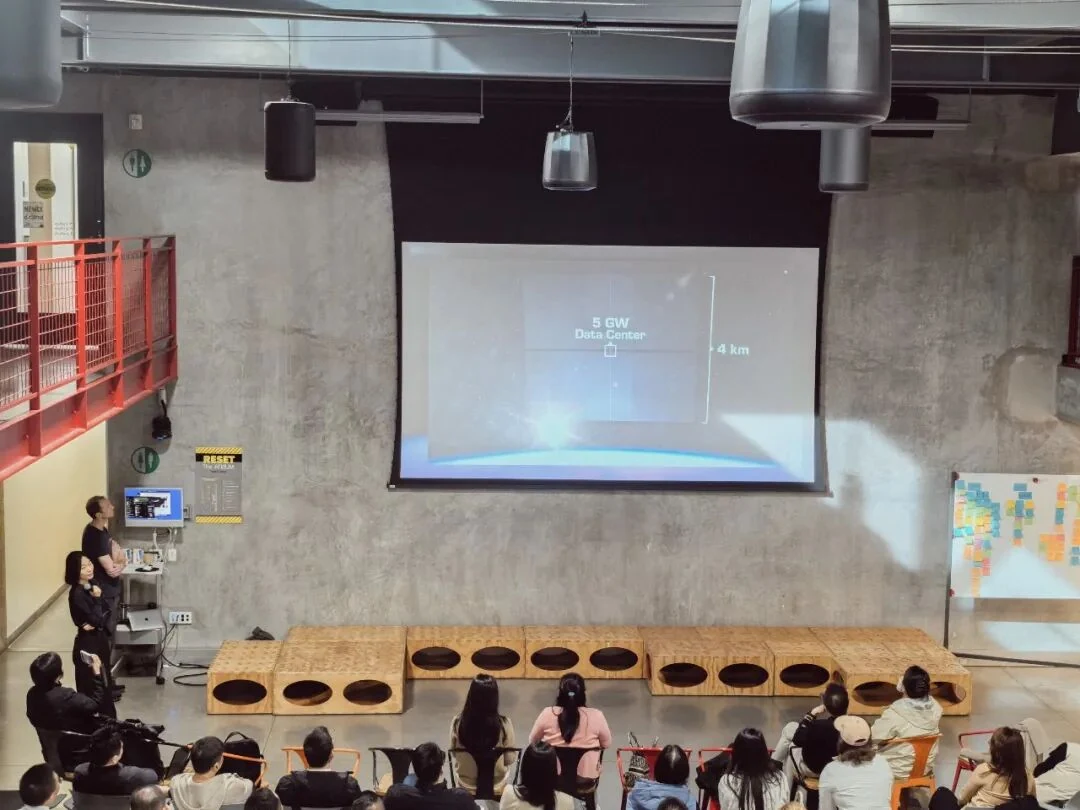
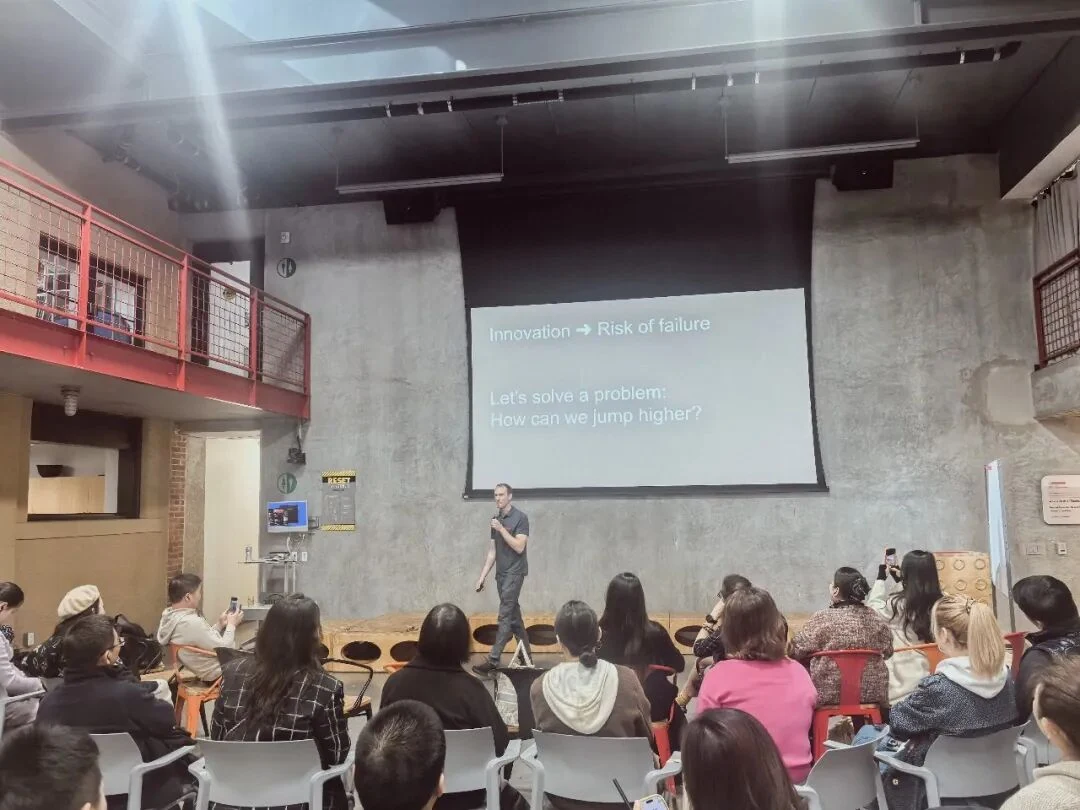
A leader’s learning becomes shared growth
This was not Jason Hou’s first visit to an institution of higher learning. For many years, he has maintained a practice of undertaking in-depth study at least three times a year. From leading business schools in China to internationally recognized universities, his learning journey has reflected different stages of the company’s development.
“A leader’s perspective shapes the height an organization can reach,” he often says. The Stanford visit was intended to broaden that perspective and identify new ideas and inspiration for the company’s next stage of strategic development.
From individual learning to organizational development
Jason Hou’s learning has never been limited to personal growth. After each period of study, he organizes a session to share what he has learned and turn those observations into knowledge for the wider team. From new management tools to leading industry insights, these “gifts of knowledge” have become part of the company’s culture.
The Silicon Valley visit distilled three core ideas for the team to revisit:
- “Innovation is everywhere.” Innovation does not belong only in laboratories or headlines. It can be found in every conversation, every unmet need, and every encounter across disciplines. The challenge is to recognize extraordinary possibilities in ordinary situations.
- “Change the world.” Meaningful ambition is about creating value, solving problems, and helping the world move in a better direction. It can begin with a specific belief: “I can make a difference.”
- “Learning quotient.” This goes beyond accumulating knowledge. It means learning how to learn: seeing the essence of an issue quickly, breaking down complex problems, and systematically absorbing and applying new knowledge. It is a core capability for continued development in uncertain times.
These three ideas are like keys that invite the team to open a door to deeper reflection: Does our perspective reach a wider innovation network? Do our actions carry the power to change the world? Have we mastered one of the essential skills of this era—learning how to learn? The answers remain open, while action is concrete. The world is being reshaped, and we are standing at the beginning of that process.
Why make the journey
When information is readily available, why still travel such a long distance?
Because genuine learning happens through encounters—between different cultures, different ways of thinking, and different perspectives. Stanford offers not only knowledge, but also a setting for diverse ideas to interact.
Each day of Jason Hou’s study at Stanford was intended to build momentum for the company’s future. The team continued its work while maintaining the same openness to learning, ready to receive the new ideas and methods he would bring back.
Learning is a shared language
The Stanford visit again showed that learning never stops within the company. From its leaders to every employee, the team believes that people must keep renewing their knowledge and capabilities to remain competitive in a rapidly changing era.
The best leaders remain on a path of learning. The best teams grow alongside their leaders.
Original source: 联合兴华创新